


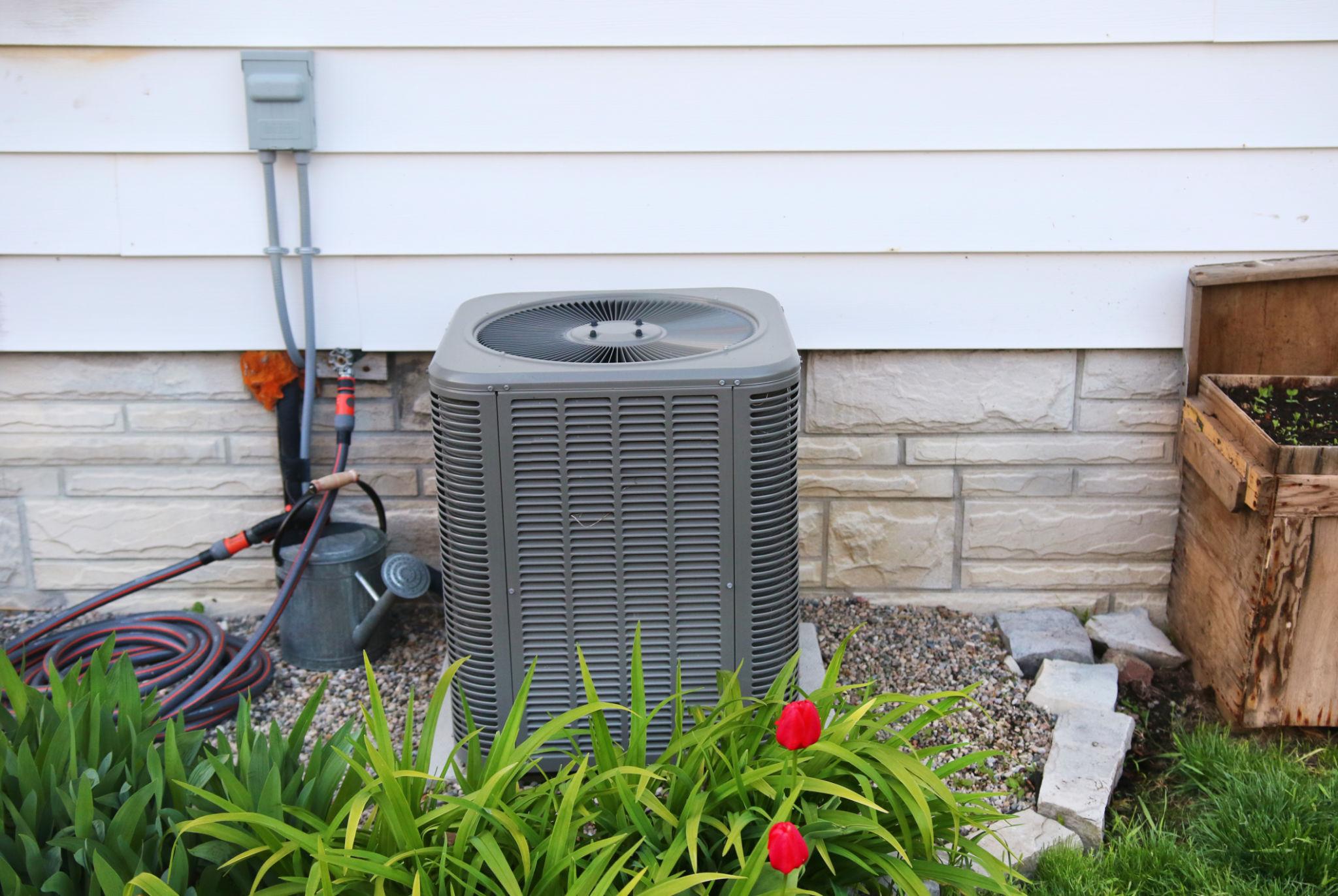
Every single summer between roughly June and September, a towering brown wall of dust rolls silently across the whole valley with almost no real warning, and your outdoor AC unit ends up taking the full brutal force of it head-on. Smart AC maintenance after dust storm events is honestly the single biggest thing standing between a system that limps along to October and one that quietly dies right in the middle of a punishing 110-degree week. The Arizona monsoon is a genuinely strange beast, wildly swinging from choking dust to drenching downpours to violent cracking lightning, sometimes all within one wild afternoon. Your hardworking condenser sits outside through every miserable bit of it, steadily sucking in whatever the storm decides to hurl its way. Knowing exactly how each separate part of the season attacks your equipment is really the first step toward keeping it alive and running through the hottest, most violent months of the entire year out here.
1. What the Monsoon Actually Throws at Your Unit
The monsoon is honestly not one single clean threat but rather a whole stacked pile of them all at once. First come the haboobs, those massive rolling dust storms that blanket absolutely everything in a fine, gritty powder within just a few short, startling minutes of arriving overhead. Then the heavy rain arrives in sudden, violent bursts that can easily dump a full inch in an hour and quickly flood any low-lying yard. Add in the fierce, gusting wind that flings palm fronds and loose gravel around, plus the lightning that always follows close behind, and you have a real recipe for trouble. Your outdoor condenser, carefully designed to breathe freely and shed its heat, suddenly has to somehow survive every single part of that brutal punishment all at the very same time.
2. The Grit That Chokes Your System
Fine dust is easily the quiet, patient killer of desert air conditioners everywhere. After a big haboob blows through, a fine layer of pale sand settles deep down into the delicate aluminum fins of your condenser coil, and all that packed grit acts exactly like a thick blanket smothering the whole unit. The crucial job of cleaning sand from AC coils matters so very much because clogged, packed fins simply cannot release heat, which then forces the entire system to run hotter, longer, and far less efficiently than it should. Left carelessly in place, that packed dust steadily drives up your monthly power bill and slowly cooks the expensive compressor from all the added strain. A gentle rinse with a plain garden hose from the inside out, done faithfully after each major storm, clears most of it away long before any real, lasting damage to the system ever has a chance to set in.
3. When the Rain and Floods Roll In
The monsoon rain reliably brings its own special and frustrating set of headaches with it. A quick rinse falling from the sky is actually quite good for the dusty coils, but a fully flooded yard is a completely different and uglier story. If the water rises high enough to actually submerge the base of the condenser, it can short out the wiring, badly corrode the electrical connections, and ruin the fan motor in one single soggy afternoon. Units sitting low to the ground or parked right in a natural drainage path are especially vulnerable during a sudden, fast-moving heavy downpour late in the day. Raising the whole unit up on a sturdy pad and regularly clearing debris from around its base goes a remarkably long way toward keeping the dirty floodwater safely out of the unit and away from the electronics.
4. Standing Guard Against the Storms
Just a little smart preparation before the season even starts saves you an enormous amount of grief during it. Good outdoor AC unit weatherproofing really starts with trimming back any nearby trees and shrubs so flying branches cannot spear the fins or violently jam the spinning fan. Make absolutely sure the unit is level, firmly anchored, and lifted up on a pad above the local flood line, and always keep the area around it clear of loose gravel and stray debris. A breathable hail cover can nicely protect the top during a violent storm, but never once seal the entire unit up in plastic, since trapped moisture quietly rusts it from the inside out. The whole goal here is simply to let it breathe normally while still shielding it from the absolute worst that the monsoon sky can throw down at it.
5. The Lightning and Power Surge Problem
The one part that most busy homeowners completely overlook is the raw electricity itself. Monsoon lightning does not even have to strike your house directly to wreck your AC; a single nearby hit can send a violent surge racing through the power lines straight into your system. That sudden spike can instantly fry the capacitor, the delicate control board, or the compressor in one blinding instant, neatly turning a single passing storm into a sudden thousand-dollar repair bill. A whole-home surge protector installed at the main panel, plus a dedicated one wired for the condenser, is genuinely cheap insurance against that exact scenario. When the whole sky lights up bright at night, that one small investment suddenly starts to feel very worthwhile indeed for the peace of mind alone.
Conclusion
The Arizona monsoon is genuinely hard on absolutely everything left outdoors, and your air conditioner sits right square in the crosshairs from June clear through September. Blowing dust clogs the coils, rising floodwater threatens the wiring, and a single stray lightning surge can take the whole system out in one heartbeat. The truly good news is that none of it is remotely unbeatable with a little preparation, a faithful post-storm rinse, and some basic surge protection installed. Treat your hardworking condenser like the frontline equipment it really is during these months, and it will reliably carry you cool and steady to the far side of the season. Ignore it instead, and the monsoon will happily come back to collect on all that quiet neglect at the single worst possible time imaginable.
“Dust, flooding, or storm damage to your AC this monsoon? We will clean, inspect, and protect it fast. Call Plomero en Phoenix at 602-730-4663 today.”
FAQs
Q1: How do I clean my AC unit after a dust storm in Phoenix, AZ?
After a haboob in Phoenix, AZ, shut off the power first, then gently rinse the condenser coils with a garden hose from the inside out to push the trapped sand back through the fins. Skip the pressure washer, since that high force easily bends the delicate aluminum fins and causes more harm than good.
Q2: Can monsoon flooding actually damage my outdoor AC unit?
Yes, if water rises high enough to reach the base of the unit, it can short the wiring and ruin the fan motor in a single afternoon. Homeowners in Phoenix, AZ, should keep the condenser raised on a pad and the area clear so floodwater drains away instead of pooling around it.
Q3: Should I cover my AC unit during monsoon season in Phoenix, AZ?
A breathable hail cover can protect the top during a violent storm, but never wrap the unit in plastic, which traps moisture and causes rust. For most homes in Phoenix, AZ, trimming back nearby branches and adding surge protection does far more lasting good than any cover.