


Running a business across the Valley means handling a hundred small fires daily without rooftop HVAC adding more chaos to the pile. Following a smart commercial HVAC maintenance checklist in Phoenix, AZ, prevents costly downtime when summer pushes systems past their limits. Most commercial breakdowns trace back to skipped basics rather than freak failures. A bit of structure across monthly, quarterly, and yearly tasks keeps tenants happy plus utility bills sane through brutal Arizona summers.
1. Monthly Tasks Owners Should Never Skip
Monthly checks form the backbone of solid commercial HVAC care, since small issues caught early stay cheap to fix. Skipping these basics across busy weeks feels harmless until July hits and units start tripping breakers under heat loads. Most monthly tasks take under 30 minutes total across typical commercial setups, making them easy wins for property managers juggling tight schedules.
Monthly items worth handling without fail:
- Filter swaps across all rooftop units serving occupied office spaces
- Thermostat batteries are checked across smart panels every 30 days
- Outdoor condensers cleared of dust, leaves, and debris fully
- Drain pan inspections under indoor air handlers for standing water
- Visible refrigerant lines checked for ice buildup or oil stains
Property managers handling these basics monthly cut emergency call volume by 60 percent across the year easily.
2. Quarterly Inspections That Catch Bigger Problems
Quarterly checkups go deeper than monthly basics, covering items that matter long term but don’t need weekly attention. Most professional service contracts roll quarterly visits into pricing automatically, since commercial units take harder beatings than residential equipment across Maricopa County. Working through proper commercial AC maintenance tasks every 90 days catches issues months before they snowball into emergency repair bills hitting four figures.
Quarterly checklist items worth booking:
- Belt tension checks across rooftop units running blower assemblies
- Capacitor microfarad testing against original manufacturer specs
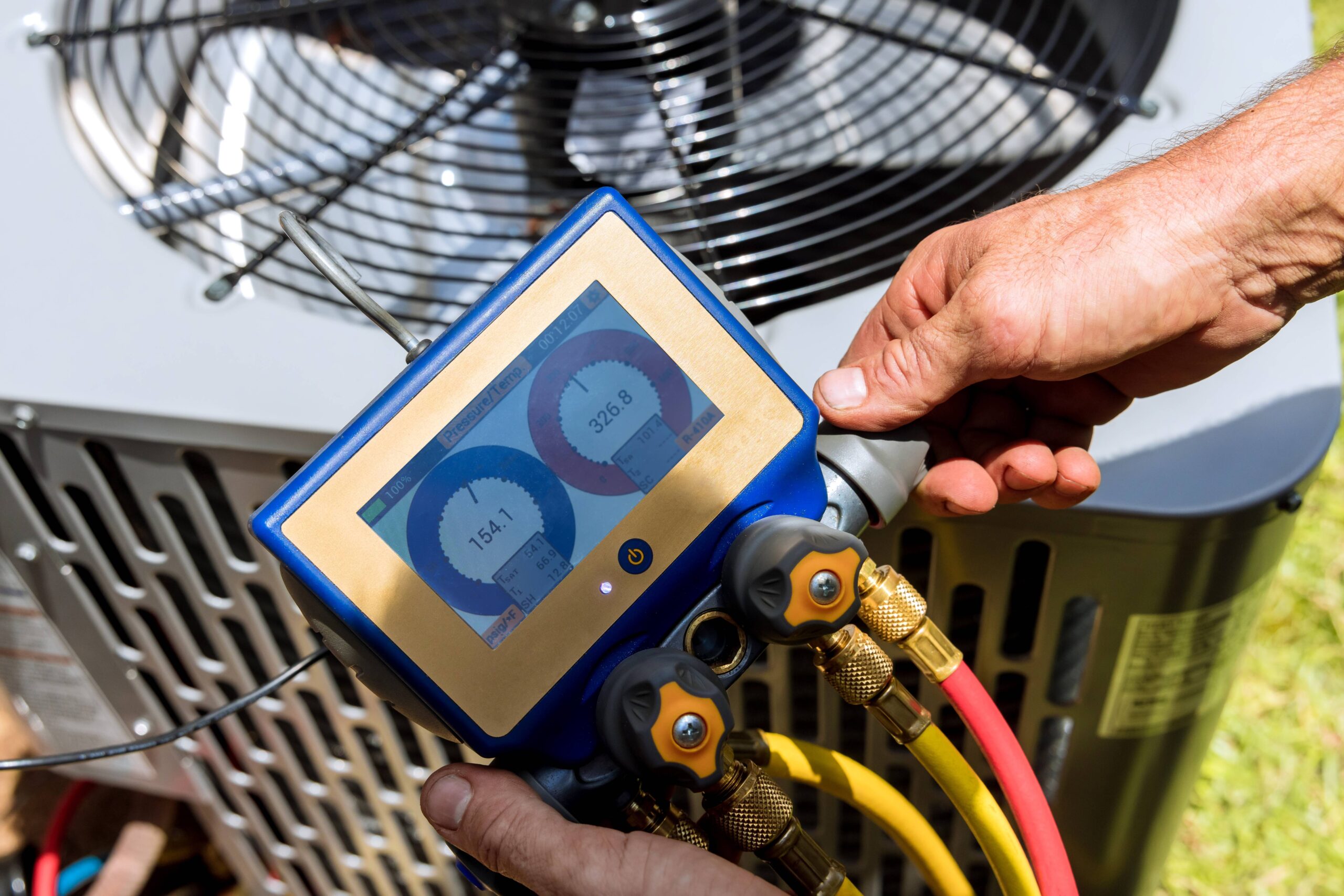
- Refrigerant pressure readings logged for trend tracking purposes
- Electrical contact tightening across disconnect boxes plus panels
- Coil cleaning across condenser fins using proper detergents only
Skipping quarterly visits feels like saving money until July arrives and three rooftop units quit during a 115 degree heat wave simultaneously.
3. Annual Service Items That Stretch Equipment Lifespan
Annual maintenance covers deep cleaning, electrical testing, and component replacement that genuinely extends commercial HVAC lifespan dramatically. Most commercial rooftop units last 15 to 20 years when treated well, while neglected systems sometimes give out before year 8 hits. Annual visits also satisfy manufacturer warranty requirements, keeping coverage active across compressors plus heat exchangers worth thousands.
Annual tasks worth scheduling carefully:
- Full coil deep cleaning across both indoor and outdoor sections
- Burner inspection plus flame sensor cleaning on heating units
- Heat exchanger inspection for cracks using camera scoping equipment
- Blower wheel removal plus full cleaning of fan blade buildup
- Refrigerant recovery, evacuation, plus recharging when necessary
Spending $400 to $800 yearly on commercial tune ups saves $3,000+ across compressor failures every several years.
4. Smart Building Features Worth Adding Now
Modern commercial HVAC integrates with building automation systems, offering remote monitoring, predictive maintenance alerts, plus zone level control across various tenant spaces. Adding smart sensors during routine upgrades costs less than retrofitting them years later, since wall openings already happen during normal service work. 2026 brought wider adoption of AI driven HVAC analytics, predicting failures weeks ahead based on runtime patterns plus efficiency curves.
Tech upgrades worth folding into maintenance schedules:
- Smart thermostats tied into building automation systems centrally
- Wireless sensors monitoring temperature plus humidity per zone
- Occupancy sensors adjust cooling output based on actual use
- Predictive analytics tracking efficiency declines weeks ahead
- Cloud dashboards let property managers monitor remotely
Smart features cut commercial energy bills 18 to 25 percent across most office buildings adopting them properly.
5. Emergency Prep Plans Owners Should Build
Even with perfect maintenance schedules, commercial HVAC emergencies still happen occasionally during peak summer demand periods. Smart business owners build response plans before crises hit, ensuring tenants stay comfortable while repairs happen across busy weeks. Having a pre vetted contractor on speed dial beats calling random services during 115 degree afternoon emergencies.
Emergency prep items every owner should handle:
- Pre established service contracts with response time guarantees written
- Spare parts inventory for common failures stored on premises
- Portable cooling unit rentals identified for tenant comfort gaps
- Notification systems alert tenants quickly when issues happen
- Insurance documentation organized for fast claim filing later
Acting fast during emergencies protects a business’s reputation way more than apologizing afterward over slow response times ever does.
Commercial HVAC maintenance feels boring compared to running an actual business, but skipped basics turn into expensive lessons fast across brutal Arizona summers. Building structured checklists across monthly, quarterly, plus annual cycles keeps systems running strong while utility bills stay predictable.
Smart property managers also fold modern tech upgrades into routine work, gaining efficiency plus remote monitoring perks at lower install costs. Acting proactively beats reacting to emergencies during peak heat waves every single time. Folks running tight maintenance programs almost always avoid costly downtime during the worst possible weeks.
Commercial HVAC giving the property headaches lately? Call us at Plomero EN Phoenix at 602-730-4663 for honest service contracts without scripted upsells attached.
FAQs
Q1: How often should commercial HVAC inspections happen across Phoenix, AZ, properties?
Most commercial properties across Phoenix, AZ, benefit from inspections happening quarterly, given how hard the desert heat works on rooftop equipment over time. Smaller offices sometimes manage with twice-yearly visits, though larger buildings with multiple rooftop units almost always need quarterly checkups for reliable performance.
Q2: What does typical commercial HVAC maintenance cost across Phoenix, AZ, during 2026?
Annual service contracts across Phoenix, AZ, currently run $400 to $1,500 per rooftop unit, depending on tonnage and visit frequency picked. Larger multi-unit buildings often negotiate volume pricing, sometimes landing $300 per unit annually when bundling 10+ rooftop systems under single contracts.
Q3: How long do commercial rooftop HVAC units last across Phoenix, AZ, businesses?
Commercial units across Phoenix, AZ, typically run 15 to 20 years with proper yearly maintenance handled correctly. Neglected systems sometimes give out before year 10, especially when filter changes plus quarterly cleanings get skipped repeatedly across multiple summer cycles back to back.