


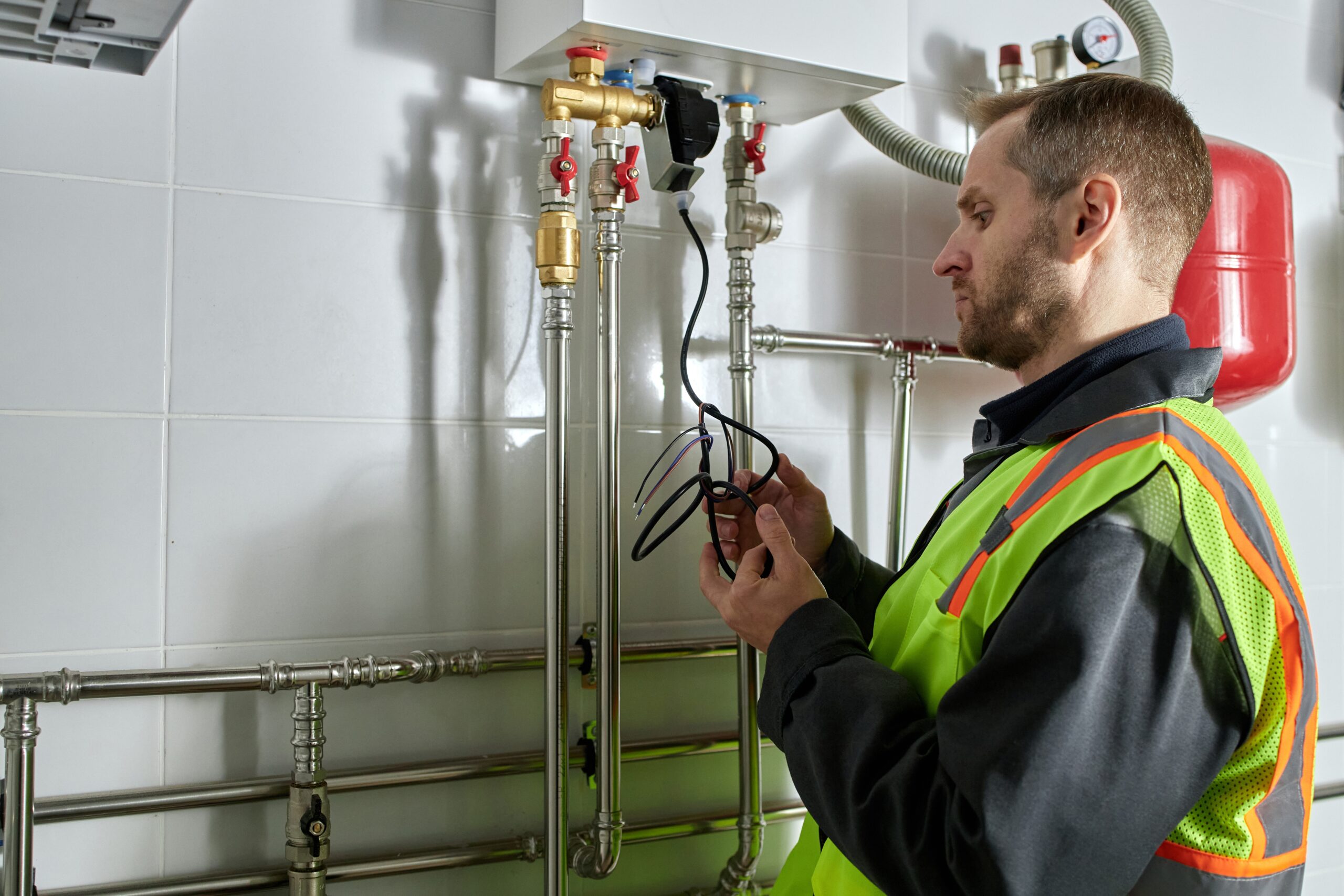
Most heating failures that feel sudden were not sudden at all; they were developing quietly for weeks or months while nobody was looking in the right places. Scheduling heating maintenance in Anthem, AZ, before the cold season arrives is what gives a technician the chance to find those developing conditions while the options are still simple and the costs are still reasonable. Anthem, AZ, winters are mild by national standards, but consistent enough that a heating system running with undetected problems will make itself known at an inconvenient moment regardless. The homeowners who avoid that scenario almost always have one thing in common: someone looked at the system before it had a reason to complain.
1. Dirty Filters Create Problems That Travel Through the Whole System
A clogged filter restricts airflow in ways that affect heat exchanger temperature, blower motor strain, and overall system efficiency simultaneously. The individual impact on each component looks manageable in isolation, but the combined effect of running a heating system against restricted airflow for a full season accelerates wear across multiple parts at once. Most homeowners know filters need changing, but underestimate how quickly they reach a condition that actually affects performance rather than just looking dirty. Catching a severely restricted filter during a routine visit and addressing the replacement schedule going forward is one of the simplest and most impactful outcomes a maintenance visit produces.
2. Ignition Components Show Early Warning Signs Before They Fail
Hot surface igniters and flame sensors do not typically fail without first showing signs that something is changing in how they operate. A flame sensor coated with oxidation residue causes the system to light and shut off in quick succession rather than running a complete cycle, and that behavior is readable during a proper inspection before it becomes a non-starting system on a cold night. Catching ignition wear early means a straightforward component replacement during a scheduled visit rather than an emergency diagnostic call when the heat simply will not come on. The difference in timing is the difference between a minor repair and a stressful one.
3. Heat Exchanger Cracks Are Small Until They Are Not
A cracked heat exchanger is the kind of finding that makes a routine maintenance visit pay for itself completely, regardless of what else was or was not found. Hairline cracks allow combustion gases to mix with circulated air, which is a safety issue that has no acceptable threshold for tolerance. Early detection during a scheduled inspection means the homeowner has time to make a considered decision about repair or replacement rather than responding to an urgent safety situation mid-season. A professional with the right equipment identifies these cracks before they are visible to the eye, which is precisely the kind of finding that routine visits exist to produce.
4. Blower Motor Wear Shows Up as Efficiency Loss Before Mechanical Failure
A blower motor running with worn bearings or reduced lubrication draws more energy to move the same volume of air, which shows up in energy bills before it shows up as a broken component. Catching this condition during a routine visit allows for lubrication or bearing replacement at a fraction of the cost of a full motor replacement after the component seizes. A reputable heating installation company in Phoenix, AZ, assessing a system during a maintenance visit brings the same diagnostic depth to an existing unit that they apply to new equipment evaluations. That expertise makes the difference between a finding that gets addressed affordably and one that gets missed until it becomes expensive.
5. Ductwork Leaks Quietly Waste Energy Every Time the System Runs
Leaking duct connections lose conditioned air into unconditioned spaces, which means the system runs longer to reach the setpoint and the homeowner pays for heat that never reaches the rooms it was intended for. These leaks develop gradually through normal thermal expansion and contraction cycles and are rarely severe enough to produce obvious symptoms until a significant percentage of output is being lost. A professional visit that includes duct condition assessment alongside the mechanical components gives a complete picture of system efficiency that a filter change and thermostat check alone never provides. Sealing identified leaks during the same visit recovers efficiency immediately and reduces the load on every other component in the system.
Conclusion
A heating system that gets proper attention before the season starts runs more efficiently, costs less to operate, and avoids the emergency call that nobody budgets for and everyone remembers. The issues found during routine visits are almost always smaller and cheaper to fix than the ones found after something stops working. Consistent scheduling is genuinely the lowest-cost approach to heating system ownership over the long run.
«Call us Plomero en Phoenix at 602-730-4663 today! We catch heating issues early, so your system runs all season reliably without surprises.»
FAQs
Q1: How often should heating maintenance in Anthem, AZ, be scheduled for a typical home?
Once a year, before the heating season, is the standard recommendation, and in Anthem, AZ, that means getting it done in early fall before the desert nights start dropping significantly. Heating maintenance in Anthem, AZ, on this schedule catches filter conditions, ignition wear, and airflow issues while there is still time to address them without urgency. Homeowners who push the visit into December are often scheduling it alongside a complaint rather than ahead of one. Annual timing is not arbitrary; it is what keeps the visit preventive rather than reactive.
Q2: Does a heating installation company in Phoenix, AZ, handle maintenance on existing systems too?
Most do, and working with a heating installation company in Phoenix, AZ, that knows the equipment they installed brings a level of familiarity to a maintenance visit that a generic service call does not. They know the specific model, the installation conditions, and any quirks the system developed during its service life. That context speeds up the assessment and makes the recommendations more accurate. Staying with the same professional relationship across installation and ongoing maintenance consistently produces better long-term outcomes.
Q3: What happens if routine heating visits in Anthem, AZ, get skipped for a few years?
The system does not fail immediately, but the conditions that lead to failure develop without anyone catching them at a manageable stage. Anthem, AZ, homes that go several years without a proper heating visit typically show up as emergency calls involving components that were showing early signs of wear long before they gave out completely. The repair cost in that scenario is almost always higher than the cumulative cost of the visits that were skipped. Catching up with a thorough inspection after a gap is still worth doing; it just costs more than staying consistent would have.